In the agricultural heartlands of India, particularly in states like Maharashtra, Chhattisgarh, and Madhya Pradesh, the bond between a farmer and their bull is sacred. The Bail Pola festival is a beautiful and heartfelt expression of this bond.
The Rituals of Reverence
The preparations for Bail Pola begin a day in advance. The bulls, who are the backbone of the farm, are given a complete day of rest. Their ropes are untied, and they are given a special massage with turmeric, ubtan, and oil.

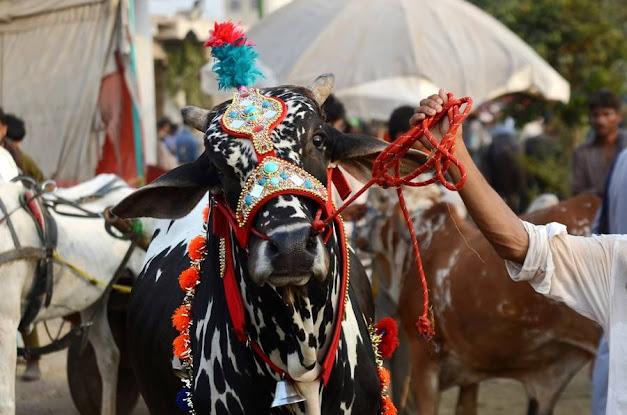
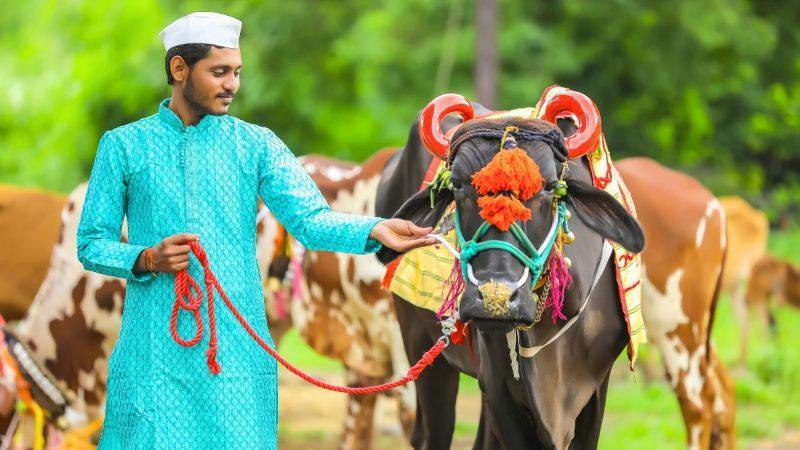
On the day of the festival, the bulls are bathed and meticulously decorated. Their horns are painted, and they are adorned with colorful clothes, flower garlands, and jingling bells. This transformation turns the hardworking animals into revered deities for a day.
A Mythological Connection
According to mythology, the festival is also linked to an event in Lord Krishna's life. It is said that when Krishna was young, he defeated a demon named Polasur who took the guise of a bull. The day was named Pola in honor of this event, solidifying its place in the cultural and spiritual landscape.
Bail Pola is more than just a festival; it is a tribute to the invaluable contribution of bulls in agriculture, reinforcing the principles of gratitude and community unity.
A Celebration of Harmony
While modern technology is changing agricultural practices, festivals like Bail Pola serve as a powerful reminder of the traditional Indian ethos of living in harmony with nature and respecting all forms of life.